Plasmalogens are a class of phospholipids found in unusually high concentrations in the brain, heart, and immune cells. Unlike ordinary phospholipids, they feature a distinctive ether-linked fatty alcohol at one end of the glycerol backbone — a structural detail that turns out to matter enormously for how brain cell membranes behave under stress and during normal signaling.
Interest in plasmalogens has grown steadily as researchers have linked declining plasmalogen levels to age-related cognitive changes and neurodegenerative conditions.[1] Understanding what plasmalogens do — and what threatens them — is increasingly seen as relevant to anyone interested in long-term brain health. This article covers their role in membrane structure, neural signaling, and oxidative defense, and honestly addresses what is still uncertain.
Key Takeaways
- Plasmalogens are specialized ether phospholipids that make up a large fraction of brain cell membrane lipids, especially in myelin and synaptic regions.[3]
- Their unique vinyl ether bond contributes to membrane fluidity, lipid raft organization, and antioxidant protection against reactive oxygen species.
- Plasmalogens store DHA and arachidonic acid at the sn-2 position, making them a reservoir for potent neural signaling molecules.
- Plasmalogen levels decline with age and are markedly reduced in Alzheimer’s disease brain tissue, though the causal relationship remains under investigation.
- Supporting plasmalogen biology through adequate DHA intake, trace mineral sufficiency, and peroxisomal health makes biological sense, but no supplement has yet demonstrated this effect in robust human clinical trials.
What Are Plasmalogens?
Plasmalogens belong to a broader family called ether phospholipids. The defining feature is a vinyl ether bond at the sn-1 position of the glycerol backbone, as opposed to the ester bond found in conventional phospholipids. This single structural difference gives plasmalogens distinct physical and chemical properties that standard phospholipids do not share.
In the human brain, plasmalogens — particularly the ethanolamine form (PlsEtn) — account for roughly 30 to 40 percent of all phospholipids in the white matter and are concentrated in myelin sheaths and synaptosomes. The heart is also exceptionally rich in the choline form (PlsCho). Biosynthesis begins in the peroxisome and is completed in the endoplasmic reticulum, which means peroxisomal function is a prerequisite for adequate plasmalogen production.[2]
Because the body must synthesize plasmalogens from precursor fatty alcohols and does not absorb intact plasmalogens from food efficiently, maintaining robust plasmalogen levels depends heavily on the availability of the right enzymatic machinery and the substrates it needs — including specific fatty acids and adequate cellular energy.
How Plasmalogens Shape Brain Cell Membrane Structure
Cell membranes are not simply passive barriers. They are dynamic, organized structures whose physical properties — fluidity, curvature, lateral domain formation — directly influence how membrane proteins behave. Plasmalogens contribute to membrane fluidity in a unique way: the vinyl ether bond creates a more tightly packed, ordered arrangement in one region of the bilayer while allowing the polyunsaturated fatty acid at the sn-2 position (often DHA or arachidonic acid) to remain highly flexible.
This combination of order and flexibility is particularly important in the highly curved membranes of neuronal axons and synaptic vesicles. Plasmalogens also concentrate in lipid rafts — specialized membrane microdomains enriched in cholesterol and sphingomyelin that serve as organizational platforms for signaling proteins. By influencing raft composition, plasmalogens indirectly shape which receptors and enzymes cluster together, affecting how efficiently a neuron can respond to incoming signals.

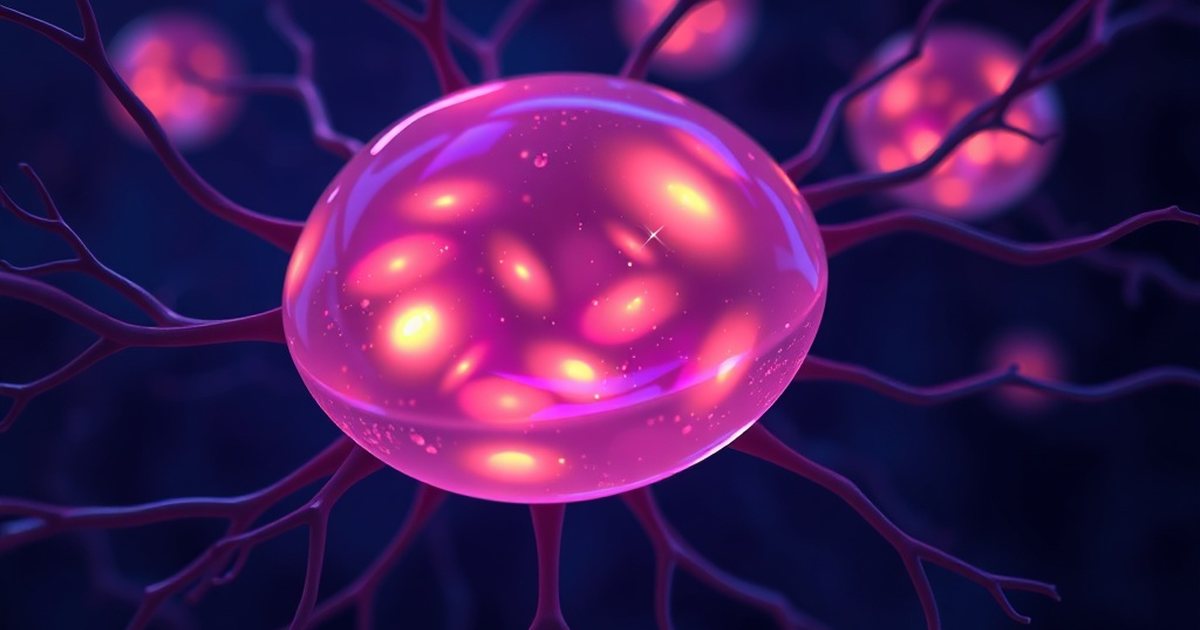
In myelin, which wraps around axons to speed electrical conduction, plasmalogens are among the most abundant lipids. Disruptions to myelin plasmalogen content are associated with slowed nerve conduction and the kind of cognitive processing delays that appear in both aging and certain demyelinating conditions.
Plasmalogens as Endogenous Antioxidants
One of the most discussed functions of plasmalogens is their capacity to act as a sacrificial antioxidant. The vinyl ether bond is preferentially oxidized by reactive oxygen species (ROS) and reactive nitrogen species before they can attack more vulnerable targets in the membrane such as polyunsaturated fatty acid chains or membrane proteins. When a plasmalogen is oxidized, it is destroyed — but in doing so it may protect the surrounding lipid environment from a cascade of oxidative damage.
This is not a trivial point for the brain. The brain consumes a disproportionate share of the body’s oxygen relative to its mass, generates significant mitochondrial ROS, and is rich in polyunsaturated fatty acids that are prime targets for lipid peroxidation. A membrane well-stocked with plasmalogens has a built-in buffer against oxidative assault. When plasmalogen reserves run low — as they appear to do with age and in certain disease states — this buffer shrinks, potentially leaving neuronal membranes more vulnerable.
It is worth being clear that this antioxidant function, while well-described in cell biology literature, has mainly been characterized in laboratory studies. What it means in practice for supplementation strategies or dietary choices in living humans remains an open and actively studied question.
Plasmalogens and Neural Signaling
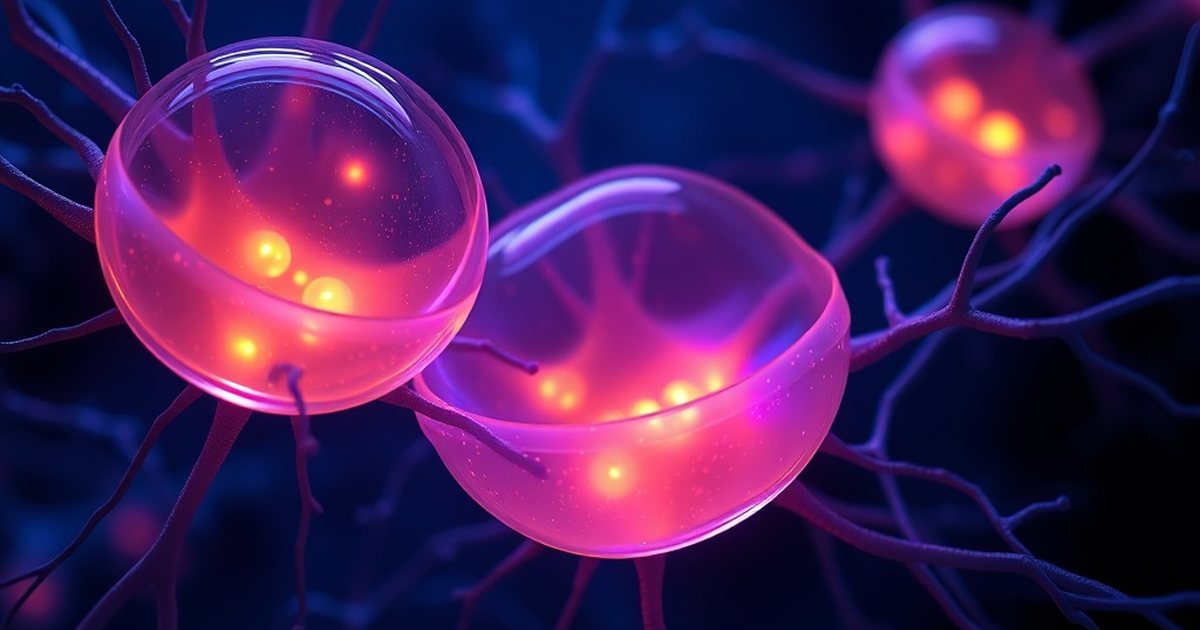
Beyond structural support, plasmalogens are directly involved in signal transduction. The sn-2 position of brain plasmalogens is often occupied by docosahexaenoic acid (DHA) or arachidonic acid — both of which are precursors to potent signaling molecules. Phospholipase A2 enzymes can cleave these fatty acids from the plasmalogen backbone, releasing them as signaling precursors for eicosanoids, docosanoids, and other lipid mediators that regulate inflammation, synaptic plasticity, and neuronal survival.
Plasmalogens also appear to modulate the activity of membrane-bound enzymes. Protein kinase C, which plays a central role in synaptic strengthening (long-term potentiation), is sensitive to changes in membrane lipid composition. Similarly, G-protein coupled receptors — the largest family of signaling receptors in the nervous system — depend on specific membrane environments for optimal conformation and downstream coupling. Plasmalogen-rich membranes appear to support these environments.
There is also evidence from laboratory models that plasmalogens influence cholesterol trafficking within neurons, which matters because cholesterol itself is a critical modulator of synaptic vesicle recycling and amyloid precursor protein processing. These are interconnected systems, and plasmalogens sit at a node within them — though drawing firm clinical conclusions from this web of laboratory findings requires caution.
Why Plasmalogen Levels Decline with Age
Plasmalogen levels in the human brain fall measurably across the lifespan. Several mechanisms contribute. First, peroxisomal function — where plasmalogen synthesis begins — declines with age, reducing biosynthetic capacity. Second, the oxidative load that plasmalogens help neutralize accumulates with age, accelerating their consumption. Third, the availability of the polyunsaturated fatty acids stored at the sn-2 position may decrease as dietary patterns or absorption efficiency changes.

Post-mortem studies of human brain tissue have consistently found substantially lower plasmalogen concentrations in the brains of individuals with Alzheimer’s disease compared to age-matched controls, and the deficits appear most pronounced in areas most affected by the disease, such as the entorhinal cortex and hippocampus. Whether reduced plasmalogens contribute causally to neurodegeneration or are primarily a downstream consequence of it remains unresolved, and this distinction matters enormously for any therapeutic strategy.
Importantly, peroxisomal biogenesis disorders — genetic conditions that abolish peroxisomal function — produce severe neurological deficits, including profound hypomyelination, in infants. This extreme example confirms that plasmalogen synthesis is genuinely essential for brain development, though it does not directly tell us how much moderate, age-associated plasmalogen decline matters for otherwise healthy adults.
Nutritional and Lifestyle Factors That May Influence Plasmalogens
Several dietary factors are relevant to plasmalogen biology. Adequate intake of the long-chain omega-3 fatty acid DHA — found in fatty fish and algal oils — ensures that the sn-2 position of brain plasmalogens is populated with the most neuroprotective fatty acid available. Low DHA status is associated with lower plasmalogen-DHA species in brain tissue in animal models. Choline availability also matters, as it is needed for the phospholipid head groups that distinguish different plasmalogen classes.
Trace minerals play a supporting role in the enzymatic machinery of plasmalogen synthesis and membrane maintenance. Zinc, copper, and magnesium act as cofactors for enzymes involved in fatty acid metabolism, antioxidant defense (superoxide dismutase requires copper and zinc), and energy production in peroxisomes and mitochondria. Deficiencies in these minerals have broad effects on neuronal function that extend well beyond plasmalogens specifically. Shilajit, as a mineral-rich humic substance containing fulvic acid, is sometimes considered in this context as a potential source of trace minerals — though direct evidence specifically linking shilajit supplementation to changes in plasmalogen levels in humans does not currently exist in published literature.
Exercise, caloric balance, sleep quality, and avoidance of excessive alcohol all intersect with peroxisomal and mitochondrial health, and therefore with the broader conditions under which plasmalogen synthesis and turnover occur. No single supplement or intervention has been shown in rigorous human trials to fully offset age-related plasmalogen decline, but the foundational conditions for healthy plasmalogen metabolism are the same conditions associated with brain health more generally.
🛒 Where to Buy Plasmalogen Supplements
- Prodrome Sciences ProdromeNeuro
capsules, 900 mg / 2 caps — Lab-synthesized DHA-ethanolamine plasmalogen used in Dayan Goodenowe’s research; premium-priced. - Daiwa Health Advanced Omega-3 Brain
softgels, 50 mg HSOP — Hokkaido Scallop Oil Plasmalogen softgels with natto peptides; pilot cognitive data. - REMORY Sea Squirt Plasmalogen
capsules, 30-day supply — Ascidian (sea-squirt)-derived alternative source for those avoiding scallop.
As an Amazon Associate we earn from qualifying purchases. Plasmalogen supplements vary by source (lab-synthesized vs. scallop- or sea-squirt-derived) and purity — check the form, dose, and third-party testing before buying.

A Note on the Evidence
The research on plasmalogens is ongoing and much of it is based on cell studies, animal models, or post-mortem tissue analysis; robust clinical trials in humans demonstrating that any particular supplement reliably raises brain plasmalogen levels or improves cognition are limited. This article is for informational purposes only and is not a substitute for medical advice — consult a qualified healthcare provider before making changes to your supplement or dietary regimen, especially if you have a diagnosed health condition.
Frequently Asked Questions
What are plasmalogens made of?
Plasmalogens are a subclass of phospholipids defined by a vinyl ether bond at the sn-1 carbon of the glycerol backbone. They typically carry a polyunsaturated fatty acid such as DHA or arachidonic acid at the sn-2 position and a phosphate-linked head group (ethanolamine or choline) at sn-3. Their synthesis begins in the peroxisome and is completed in the endoplasmic reticulum.
Why are plasmalogens important specifically for the brain?
The brain is unusually rich in plasmalogens because it is both highly vulnerable to oxidative damage (high oxygen consumption, high polyunsaturated fat content) and dependent on precisely organized membrane microdomains for efficient synaptic signaling. Plasmalogens contribute to membrane fluidity, myelin integrity, lipid raft formation, and serve as a sacrificial antioxidant layer protecting more critical membrane components.
Do plasmalogen levels actually decline with age?
Yes, measurable declines in brain plasmalogen content have been documented in aging human tissue, with the most pronounced reductions observed in people with Alzheimer’s disease. The likely causes include reduced peroxisomal biosynthetic capacity, increased oxidative consumption, and changes in dietary fatty acid availability — though the precise contribution of each factor in living people is still being studied.
Can you get plasmalogens directly from food?
Plasmalogens are present in animal-based foods including seafood, chicken, and beef, particularly in organ meats and brain tissue. However, intact dietary plasmalogens are broken down during digestion, and it is unclear how much of the absorbed material is re-incorporated into brain membranes intact. Providing the precursors — especially DHA, choline, and adequate trace minerals — is generally considered more practical than attempting to supplement with intact plasmalogens, though oral plasmalogen supplements are currently being researched.
Is there a connection between shilajit and plasmalogen support?
No direct human clinical evidence currently demonstrates that shilajit supplementation raises brain plasmalogen levels. Shilajit contains fulvic acid, humic acids, and trace minerals including zinc, copper, and magnesium — all of which have supporting roles in general enzyme function and antioxidant systems relevant to membrane health. Whether this translates into a meaningful effect on plasmalogen metabolism specifically has not been established in published research.
Who should be cautious about plasmalogen-focused supplements?
Anyone considering supplements marketed to influence plasmalogen biology should treat the evidence as preliminary. Pregnant or breastfeeding individuals, people with peroxisomal disorders, those on anticoagulants (DHA and certain fatty acids affect platelet function), and people with significant liver or kidney disease should consult a physician before adding any fatty acid or mineral supplement regimen. Always verify that any supplement you use has been tested for heavy metals and contaminants, particularly if it is a raw botanical or mineral-based product.
References
- Plasmalogen deficiency and neuropathology in Alzheimer's disease: Causation or coincidence? Alzheimer's & Dementia (N Y) (2019). PMID 31650009 (authors affiliated with Prodrome Sciences, which sells plasmalogen supplements)
- Plasmalogen homeostasis – regulation of plasmalogen biosynthesis and its physiological consequence in mammals. FEBS Letters (2017). PMID 28686302
- Plasmalogens as biomarkers and therapeutic targets. Journal of Lipid Research (2025). PMID 41130295
These statements have not been evaluated by the Food and Drug Administration. This information is not intended to diagnose, treat, cure, or prevent any disease. Content is for informational purposes only and is not medical advice; consult a qualified healthcare provider before starting any supplement. As an Amazon Associate we earn from qualifying purchases.
