Plasmalogens are a class of phospholipids found in nearly every tissue in the human body, but they are especially concentrated in the brain, heart, and skeletal muscle. What makes them structurally unusual is a vinyl-ether bond at the first carbon of their glycerol backbone — a chemical feature that gives them properties ordinary ester-linked fats simply do not have. They act as built-in antioxidants, structural components of cell membranes, and signaling molecules involved in processes ranging from nerve conduction to immune response.
Unlike most lipids, plasmalogens are not assembled in the endoplasmic reticulum where the bulk of fat synthesis occurs. Their construction begins inside peroxisomes — small organelles best known for neutralising hydrogen peroxide — before the molecule is handed off to the ER for finishing.[2] This two-compartment, multi-step pathway is a metabolic bottleneck, and it becomes less efficient as the body ages. Understanding how that synthesis works, and where it breaks down, is important context for anyone exploring the relationship between lipid metabolism, oxidative stress, and age-related cognitive or physical decline.
Key Takeaways
- Plasmalogens are a unique class of phospholipids with a vinyl-ether bond, built in two compartments: starting in peroxisomes and finishing in the endoplasmic reticulum.
- The rate-limiting steps are catalysed by GNPAT and AGPS inside peroxisomes, meaning peroxisomal health directly determines how much plasmalogen the body can produce.
- Plasmalogen levels decline with age due to reduced peroxisomal function and increased oxidative consumption — a compounding deficit where synthesis slows and breakdown accelerates.
- Brain ethanolamine plasmalogens are consistently lower in Alzheimer’s disease tissue, generating research interest in plasmalogen precursor supplementation, though human evidence is still early.[1]
- Supporting peroxisomal function through exercise, omega-3 intake, and adequate trace minerals is the most evidence-consistent approach to preserving plasmalogen synthesis capacity.
What Plasmalogens Actually Are
Phospholipids are the molecular building blocks of every cell membrane. Most of them attach fatty acids to a glycerol backbone through ester bonds. Plasmalogens are different: the fatty chain at the sn-1 position is attached via a vinyl-ether linkage — meaning a double bond sits right next to the oxygen that connects chain to backbone. This single structural difference has meaningful consequences for how the membrane behaves and how the molecule responds to oxidative threat.
The two most common plasmalogen classes are plasmenylcholine (choline plasmalogens) and plasmenylethanolamine (ethanolamine plasmalogens). Ethanolamine plasmalogens dominate in neural tissue, where they make up a substantial fraction of the phospholipids in myelin sheaths and neuronal membranes. Choline plasmalogens are more prevalent in heart muscle and red blood cells. Both classes carry a polyunsaturated fatty acid — often arachidonic acid or DHA — esterified at the sn-2 position, which links plasmalogen status to omega-3 and omega-6 metabolism.
The Peroxisomal Pathway: Where Plasmalogen Synthesis Begins
Plasmalogen biosynthesis starts with dihydroxyacetone phosphate (DHAP), a molecule produced during glycolysis.[3] Inside the peroxisome, two enzymes handle the critical early steps. The first, DHAP acyltransferase (encoded by the gene GNPAT), attaches a fatty acid to DHAP. The second enzyme, alkyl-DHAP synthase (encoded by AGPS), then swaps that fatty acid for a fatty alcohol, simultaneously forming the ether bond that defines plasmalogens. This exchange reaction is the committed, rate-limiting step in the entire pathway — if it stalls, downstream synthesis stalls with it.
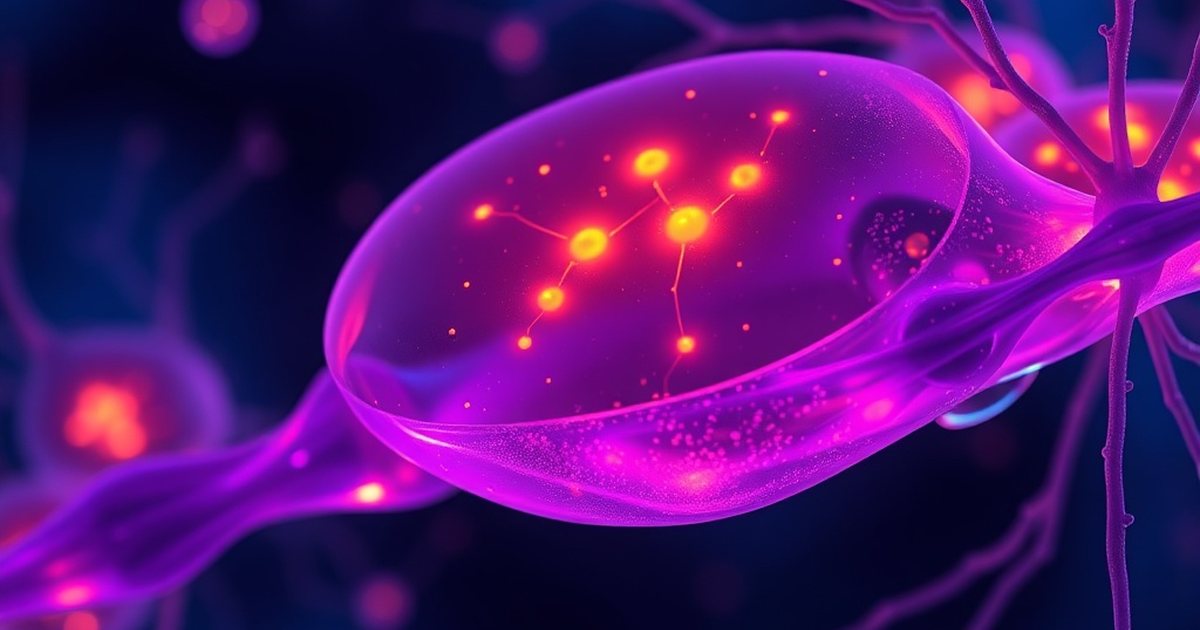
The product of this peroxisomal work is alkyl-DHAP, which is then reduced to a lysophospholipid and exported to the endoplasmic reticulum. There, a fatty acid is added at the sn-2 position, and a desaturase enzyme introduces the vinyl double bond that converts the simple ether linkage into the vinyl-ether linkage that characterises a true plasmalogen. The polar head group — choline or ethanolamine — is added last. The finished molecule is then trafficked to its destination membrane.

Because two out of the key four enzymatic steps occur specifically inside peroxisomes, intact peroxisomal function is a prerequisite for plasmalogen production. Mutations in GNPAT or AGPS cause severe plasmalogen deficiency disorders in humans, which underscores just how non-redundant this pathway is. No other organelle can substitute for the peroxisome in initiating this synthesis route.
Why Plasmalogens Matter Beyond Membrane Structure
The vinyl-ether bond is chemically reactive toward oxidants. When reactive oxygen species attack a plasmalogen, they preferentially oxidise the vinyl-ether linkage rather than the polyunsaturated fatty acid esterified nearby. In effect, plasmalogens act as sacrificial antioxidants inside membranes, absorbing oxidative damage that would otherwise modify proteins or DNA. This protective role is concentration-dependent: tissues with higher plasmalogen content carry more of this built-in buffer capacity.
Plasmalogens also influence membrane fluidity and the organisation of lipid rafts — specialised microdomains that serve as platforms for receptor clustering and signal transduction. DHA, which is often the sn-2 fatty acid in brain plasmalogens, is released from the plasmalogen when the cell needs it for signaling or inflammatory resolution. Plasmalogen-derived signaling molecules participate in regulating cell survival, ion channel activity, and glucose transport. A decline in plasmalogen content therefore affects not just antioxidant defence but a web of cell-signaling functions that depend on membrane lipid composition.
How and Why Plasmalogen Levels Fall With Age
Plasmalogen concentrations in brain tissue, red blood cells, and plasma have been documented to decline measurably over the course of adult ageing. Several mechanisms contribute. Peroxisomal number and function decline with age in many cell types; fewer functional peroxisomes means less capacity to run the GNPAT and AGPS reactions. Peroxisome biogenesis depends on proteins called peroxins, and the signaling pathways that upregulate peroxin expression appear to become less responsive over time.
Simultaneously, oxidative stress tends to increase with age as mitochondrial efficiency declines and antioxidant enzyme activity decreases. Because plasmalogens are consumed when they absorb oxidative damage, a higher oxidative load accelerates plasmalogen depletion faster than an ageing peroxisomal system can replace them. The result is a compounding deficit: synthesis slows down just as consumption accelerates.
Dietary factors also play a role. Plasmalogens are found in modest amounts in meat and seafood (fish are a reasonable source of ethanolamine plasmalogens), and the body uses dietary alkylglycerols as precursors for synthesis. Diets very low in these precursors may limit the substrate available for the peroxisomal pathway, though the liver can also synthesise fatty alcohols from scratch. Nonetheless, nutritional adequacy of plasmalogen precursors, alongside adequate omega-3 intake, influences the pool of finished plasmalogens available to tissues.
Plasmalogen Decline and Neurological Health
The association between reduced plasmalogen levels and neurodegenerative conditions has attracted significant research attention. Post-mortem brain tissue from individuals with Alzheimer’s disease consistently shows lower ethanolamine plasmalogen concentrations compared to age-matched controls, particularly in regions of the brain involved in memory. Whether this deficit is a cause of neurodegeneration, a consequence of it, or a bidirectional relationship is still being worked out — but the correlation is robust enough to have motivated clinical trials using plasmalogen precursors as dietary supplements.

Plasmalogens appear to influence the activity of enzymes involved in amyloid precursor protein processing. In cell and animal models, raising plasmalogen levels shifts APP cleavage in a direction that produces less amyloidogenic fragments. This proposed mechanism is one reason why plasmalogen restoration has been explored as a strategy in early Alzheimer’s research, though human evidence remains limited and this work is ongoing.
Factors That Support or Undermine Plasmalogen Synthesis
Peroxisomal health is central to maintaining plasmalogen synthesis capacity. Practices that support mitochondrial and peroxisomal biogenesis — including regular aerobic exercise, caloric moderation, and adequate sleep — may therefore indirectly support plasmalogen production. Exercise in particular upregulates peroxisome proliferator-activated receptor alpha (PPAR-α), a transcription factor that drives the expression of peroxisomal genes including those involved in ether lipid synthesis.
Oxidative stress management is the other lever. Minimising chronic oxidative burden through dietary antioxidants, adequate sleep, limiting alcohol, and managing inflammation reduces the rate at which plasmalogens are consumed. Omega-3 fatty acid status, particularly DHA, matters because DHA is the predominant sn-2 fatty acid in brain ethanolamine plasmalogens; ensuring adequate DHA intake supports the pool of substrate available for plasmalogen assembly.
Certain minerals and cofactors are required for the enzymatic steps in synthesis. Adequate zinc, magnesium, and iron support the enzymatic machinery of both peroxisomes and the downstream ER steps. Deficiencies in these trace minerals, even subclinical ones, can quietly reduce the throughput of biosynthetic pathways. No trial has tested whether correcting a mild deficiency measurably raises plasmalogen levels, so this remains a mechanistic expectation rather than a demonstrated effect.
🛒 Where to Buy Plasmalogen Supplements
- Prodrome Sciences ProdromeNeuro
capsules, 900 mg / 2 caps — Lab-synthesized DHA-ethanolamine plasmalogen used in Dayan Goodenowe’s research; premium-priced. - Daiwa Health Advanced Omega-3 Brain
softgels, 50 mg HSOP — Hokkaido Scallop Oil Plasmalogen softgels with natto peptides; pilot cognitive data. - REMORY Sea Squirt Plasmalogen
capsules, 30-day supply — Ascidian (sea-squirt)-derived alternative source for those avoiding scallop.
As an Amazon Associate we earn from qualifying purchases. Plasmalogen supplements vary by source (lab-synthesized vs. scallop- or sea-squirt-derived) and purity — check the form, dose, and third-party testing before buying.
A Note on the Evidence
The research on plasmalogens and ageing is active but still early, with much of the mechanistic evidence coming from cell studies and animal models; human intervention data remains limited. Anyone considering supplements targeted at plasmalogen pathways — including plasmalogen precursors, omega-3s, or mineral complexes — should consult a qualified healthcare provider, particularly if they have an existing health condition or take medications.

Frequently Asked Questions
What is the rate-limiting step in plasmalogen synthesis?
The reaction catalysed by alkyl-DHAP synthase (AGPS) inside the peroxisome is considered the committed, rate-limiting step. This enzyme exchanges a fatty acid for a fatty alcohol on the DHAP backbone, forming the ether bond that defines the plasmalogen class. Without functional AGPS, no plasmalogens can be produced regardless of substrate availability.
Can you get plasmalogens directly from food?
Yes, plasmalogens are present in animal-derived foods, particularly meat, fish, and shellfish. Fish and scallops are relatively good sources of ethanolamine plasmalogens. However, dietary intake contributes only a fraction of the body’s plasmalogen pool; the majority is synthesised endogenously via the peroxisomal pathway using dietary fatty alcohols and fatty acids as precursors.
Why do plasmalogens decline faster in the brain with age?
The brain has an exceptionally high concentration of ethanolamine plasmalogens in myelin and neuronal membranes, and it is also one of the most metabolically active and oxidatively stressed organs in the body. As peroxisomal function declines with age and oxidative burden rises, the brain’s large plasmalogen pool is progressively depleted. Neural tissue also has limited regenerative capacity compared to peripheral tissues, making it harder to replenish losses.
Is there a blood test to measure plasmalogen levels?
Red blood cell (erythrocyte) plasmalogen content is used in research as an accessible proxy for tissue plasmalogen status, since drawing blood is far simpler than sampling brain or muscle tissue. Plasma plasmalogen levels are also measurable. These tests are available through specialised lipid panels but are not yet part of routine clinical bloodwork in most healthcare settings.
Does exercise help maintain plasmalogen synthesis?
Aerobic exercise upregulates PPAR-α signaling, which drives expression of peroxisomal genes and supports peroxisome biogenesis. This suggests a mechanistic pathway through which regular moderate-intensity exercise could help sustain plasmalogen synthesis capacity with age. Animal studies support this connection, though direct human evidence specifically measuring exercise-driven changes in plasmalogen levels is limited.
Do trace mineral deficiencies affect plasmalogen synthesis?
Zinc, magnesium and iron are required cofactors for enzymatic steps in peroxisomal and ER synthesis, so a sustained deficiency could plausibly reduce throughput. That logic has not been tested directly: no published trial has measured whether correcting a mild trace-mineral deficiency changes plasmalogen levels. Treat it as a reason not to be deficient rather than a reason to supplement for plasmalogens specifically.
References
- Plasmalogen deficiency and neuropathology in Alzheimer's disease: Causation or coincidence? Alzheimer's & Dementia (N Y) (2019). PMID 31650009 (authors affiliated with Prodrome Sciences, which sells plasmalogen supplements)
- Plasmalogen homeostasis – regulation of plasmalogen biosynthesis and its physiological consequence in mammals. FEBS Letters (2017). PMID 28686302
- Regulation of plasmalogen biosynthesis in mammalian cells and tissues. Brain Research Bulletin (2023). PMID 36720320
These statements have not been evaluated by the Food and Drug Administration. This information is not intended to diagnose, treat, cure, or prevent any disease. Content is for informational purposes only and is not medical advice; consult a qualified healthcare provider before starting any supplement. As an Amazon Associate we earn from qualifying purchases.
